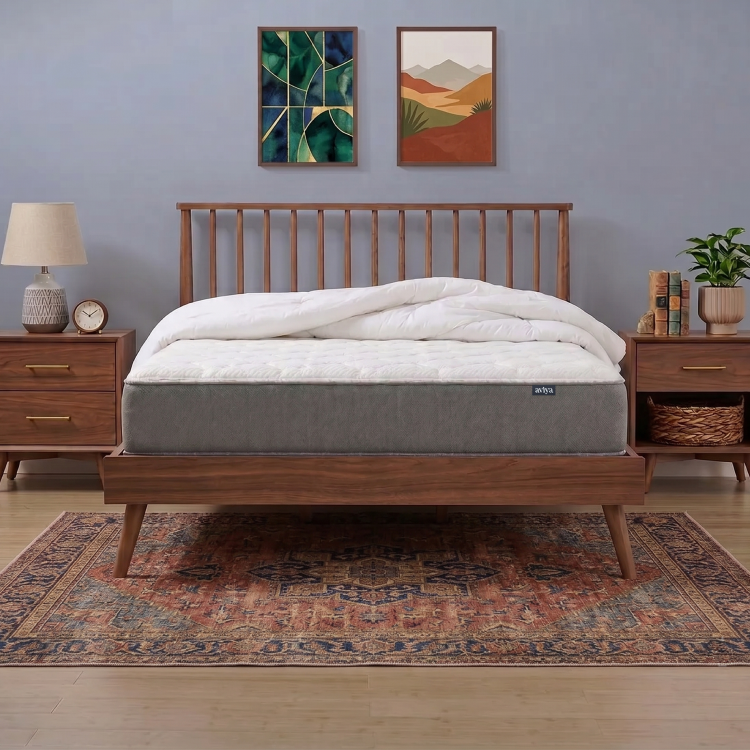
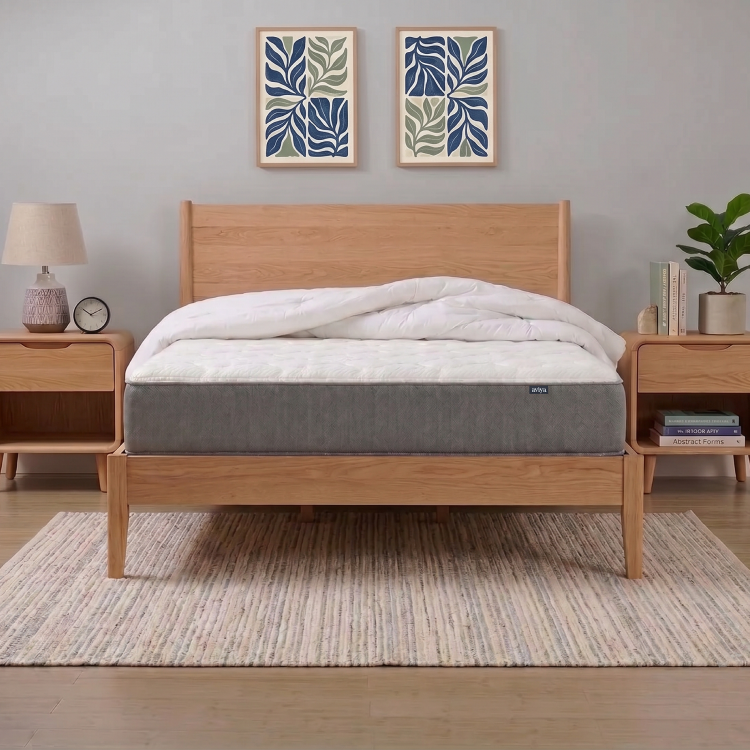
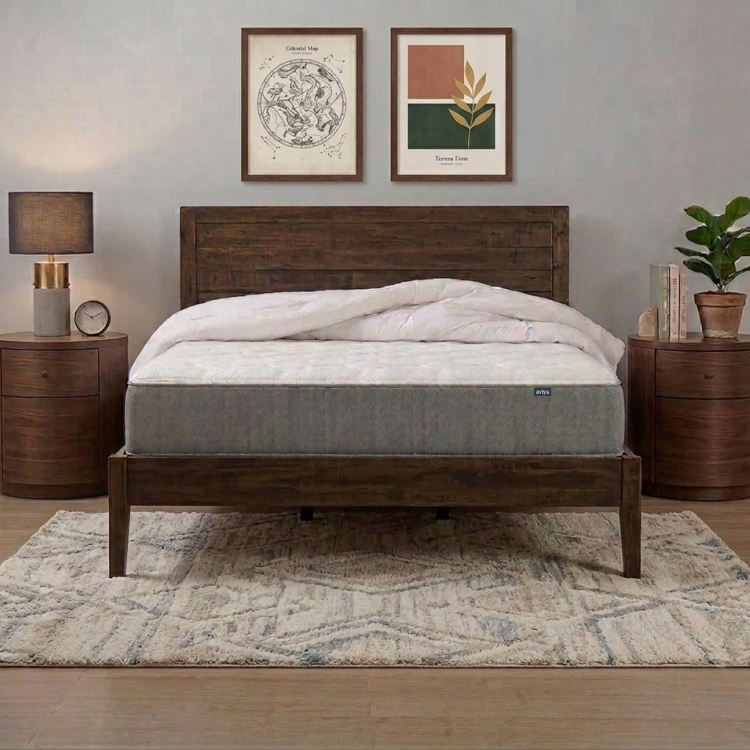
Aviya Mattress - Chiropractor Approved ✓

A Chiropractor’s Take:
The Aviya Mattress and Spinal Alignment
As a chiropractor, my patients frequently ask me, "What mattress should I buy to fix my back pain?" While a mattress alone cannot cure a structural clinical issue, it is the single most critical factor in maintaining the spinal adjustments we achieve in the clinic. If you spend eight hours a night on a sagging or poorly supportive surface, your muscles will fight to keep your skeleton stable, leading to chronic subluxations (spinal misalignments) and morning stiffness.
After analyzing the blueprint, materials, and structural behavior of the Aviya Mattress, here is my clinical breakdown of how it impacts your musculoskeletal system.
The Structural Blueprint:
What Matters to Your Spine
From an ergonomic standpoint, a mattress must accomplish two competing goals: support (keeping the heavy parts of the skeleton from sinking) and contouring (allowing the natural curves of the spine to be cradled). Aviya approaches this with a traditional innerspring hybrid design that relies on 8-inch, 15-gauge individually wrapped coils topped with high-density polyfoam layers.
1. Active Lumbar Support (The Coil Core)
The standout clinical feature of the Aviya is its pocketed coil system. Unlike all-foam mattresses that passively compress under weight, coils offer an active push-back response. Aviya utilizes reinforced, sturdier coils through the center third of the bed.
- Clinical Impact: The lumbar spine (lower back) has a natural inward curve called lordosis. When you sleep on your back, your pelvis—the heaviest part of your body—wants to sink deep into the bed. If it sinks too far, it flattens the lumbar curve, straining the surrounding muscles and ligaments. Aviya’s zoned center prevents this pelvic sag, maintaining a neutral spinal posture throughout the night.
2. High-Density Foam vs. Sinking
Aviya rejects slow-sinking memory foam in favor of high-density polyfoam.
- Clinical Impact: Memory foam can trap patients in a physical "pocket," making it incredibly difficult to change positions. For patients dealing with degenerative disc disease or acute facet joint inflammation, turning over on a memory foam mattress can cause a sudden flare-up. Aviya’s polyfoam reacts instantly, allowing for effortless nighttime repositioning without putting twisting torsion (rotational stress) on the spine.

Better Sleep Starts With A Better Mattress.
A Better Mattress Starts With Better Materials.
- Robust Edge Support: Aviya uses a thick foam encasement around the perimeter. For patients with severe lower back pain or hip arthritis, getting out of bed can be agonizing. A rigid edge means the bed doesn’t collapse when you sit on the side to pivot your legs to the floor, reducing acute morning joint stress.
- Thermal Neutrality: Inflammation flares up with excessive heat. Because this is primarily an innerspring core, air circulates freely between the coils. It keeps the sleeping surface cool, which helps lower the body's core temperature and prevents the tossing and turning that causes micro-tears in tight back muscles.
Am I Sleeping On The Right Side?
Clinical Recommendations by Sleep Position
Because every body type distributes weight differently, the effectiveness of Aviya's three firmness levels (Plush, Luxury Firm, and Firm) depends heavily on how you sleep:
Back Sleepers
- Recommendation: Luxury Firm (6/10) or Firm (7.5/10)
- Why: Back sleeping is structurally ideal for weight distribution. The Luxury Firm provides the perfect balance, allowing the glutes to sink just enough for the foam to fill the space beneath the lower back, providing full-contact lumbar support.
Side Sleepers
- Recommendation: Plush (5/10)
- Why: Side sleeping creates high-pressure zones at the shoulders and hips. If a mattress is too rigid, it forces the thoracic spine (upper back) to twist out of alignment, causing pinches in the neck and shoulders. The Plush model gives the skeletal protrusions of the shoulder and hip room to sink, keeping the spine completely horizontal like a straight line. Note: Strict, lightweight side sleepers may find the Luxury Firm option a bit too unyielding on their outer hip joints.
Stomach Sleepers
- Recommendation: Firm (7.5/10)
Why: I generally advise patients against stomach sleeping because it forces the neck to rotate to one side for hours. However, if you must sleep on your stomach, you need a rigid surface. If your hips sink even an inch on a soft mattress, your lower back arches into severe hyperextension (swayback). The Firm model keeps the pelvis lifted and flat.
Final Chiropractor Verdict:
✓ Highly Recommended for Axial Alignment
The Aviya Mattress is an excellent choice for sleepers prioritizing structural support over a deep, enveloping hug. Its active coil push-back and rapid response time work beautifully to maintain the spine's natural geometry and protect the lower back from sagging into painful postures. If you prefer a traditional, buoyant, orthopedic feel that keeps you sleeping on top of the bed rather than in it, your spine will thank you.